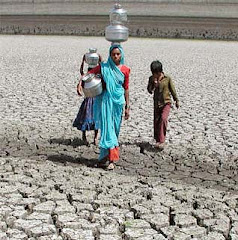
The Delhi Government has initiated much-awaited reforms in water sector by opening doors for private entities in management, maintenance and distribution of water in several areas of the city.
A board meeting of the Delhi Jal Board (DJB) on November 28, which was chaired by Chief Minister Sheila Dikshit, approved a long-pending proposal to involve private sector in three pilot projects in the command areas of Malviya Nagar, Vasant Vihar and Nangloi underground reservoirs and water treatment plants.
The move, which has been expected to several months, comes in the wake of the successful privatisation of power distribution in the city-state.
The Delhi Government has finally bit the bullet, even though there has been much opposition to its move to privatise power distribution. And, over the past few since private distcoms started distributing power, it cannot be conclusively said, as yet, that the move has been for the better.
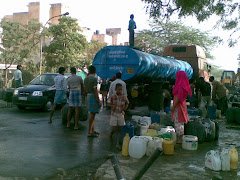
But, in the case of water, some operations, including supply of water in underfed areas through roping in private tanker suppliers, have had mixed results.
Delhi would now join a growing list of cities across India, in which water distribution, billing and management of non-revenue water (NRW) is being handed over to the private sector while local water utilities or municipal bodies retain the power to increase water charges with them.
Also, since infrastructure assets would remain with the Government, it would be worthwhile to watch how privatisation helps in getting water to the thirsty in the national Capital.
Sunday, December 11, 2011

Wednesday, November 2, 2011
Now, slums in Mumbai to have water meters.
Municipal authorities have initiated efforts to install water meters across slums in Mumbai. The move is expected to provide exact water usage details of slumdwellers and bill them accordingly.
The Brihanmumbai Municipal Corporation (BMC) has made plans to install about 1.5 lakh non-automatic water meters (AMR) in the slums, having scrapped an earlier plan to put in place automatic water meters.
In some slum areas, the BMC had previously installed regular mechanical meters, but over the years, most of these meters have been tampered with or taken off altogether.
BMC is expected to begin the tender process for installing meters in slums in the next few weeks. The agency will shortly give intimation of providing non-automatic water meters and invite initial response from Indian and foreign companies to bid for the tender.
BMC expects to wrap up the entire process and have the water meters in place within six months. So far, as high as 80 per cent of water connections in slum areas around the city are unauthorised and not charged for. With the move, BMC hopes to know the usage of water in residential as well as commercial areas and slums.
Apparently, the prohibitive cost of the automatic water meters has forced the BMC to initially install non-automated water meters in the slums. And, then based on the response, it may add an electronic sensor to the meters.
With the water meters in place in the slums, Mumbai will be among a handful of cities across the world to have meters in slum areas to tap water usage.
The Brihanmumbai Municipal Corporation (BMC) has made plans to install about 1.5 lakh non-automatic water meters (AMR) in the slums, having scrapped an earlier plan to put in place automatic water meters.
In some slum areas, the BMC had previously installed regular mechanical meters, but over the years, most of these meters have been tampered with or taken off altogether.
BMC is expected to begin the tender process for installing meters in slums in the next few weeks. The agency will shortly give intimation of providing non-automatic water meters and invite initial response from Indian and foreign companies to bid for the tender.
BMC expects to wrap up the entire process and have the water meters in place within six months. So far, as high as 80 per cent of water connections in slum areas around the city are unauthorised and not charged for. With the move, BMC hopes to know the usage of water in residential as well as commercial areas and slums.
Apparently, the prohibitive cost of the automatic water meters has forced the BMC to initially install non-automated water meters in the slums. And, then based on the response, it may add an electronic sensor to the meters.
With the water meters in place in the slums, Mumbai will be among a handful of cities across the world to have meters in slum areas to tap water usage.
Subscribe to:
Posts (Atom)

.jpg)