The global water sector would remain a safe investment choice during 2010 and for several years beyond, a US-based investment management firm has said.
The consultancy, which tracks the water sector, and some of its top companies regularly, has identified water conservation and efficiency, recycling and reuse as the hot areas of investment in the sector.
A report from Summit Global Management entitled 'The Case for Water Equity Investing 2010' has stated that water being an underestimated resource, many might not realise that it represents the "world's third biggest (industry sector) in terms of embedded capital behind only oil & gas and electrical power", and the global market is estimated to be $500 billion per year.
The report said that the global economic crisis will undoubtedly impact the volume and rate of investment going into hydrocommerce in the near term. But the investment side of the industry has certainly evolved over the last 25 years, and the changes are virtually all positive.
Given the compelling, recession-resistant business model, combined with the urgency of water challenges across the globe, the consultancy is of the view that the outlook for water stocks today is much better than it was 25 years ago, or even five ago. Hydrocommerce will undoubtedly remain one of the world’s most vital industries, and will continue to offer some of the best risk/reward characteristics to the intelligent long-term investor, it added.
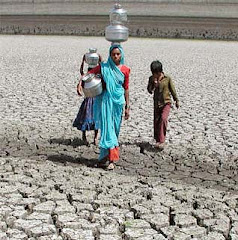
The findings of the report come as a shot in the arm for those looking at water as an investment option. Water scarcity is now a global issue. Going ahead, as climate changes come into play more strongly and affect supplies, population growth raises demand and pollution eats into already-scarce resources, it would be a profitable industry for those who come up with viable solutions.
Tuesday, December 15, 2009

Tuesday, December 8, 2009
India's Tatas make foray in low-cost water purifier market
India's leading corporate Tata Group has launched a new low-cost water purifier targeted at the rural masses. The water filter is designed to be used in rural households that have no electricity or running water and would use ash from rice milling to filter out bacteria. The business group hopes it will provide safe drinking water for millions and cut the toll of deadly diseases.
The low-cost purifier will cost around Rs 1000 (or about $22) and should find easy acceptance among people in rural India. It's, of course, another matter that there are thousands of villages across India where water is just not available.
The scourge of water pollution not only affects India, but the entire world. According to the United Nations, more than one in six people worldwide, or 894 million, do not have access to clean water for their basic needs. Diarrhoea remains the leading cause of illness and death, particularly among children.
Nearly 90 per cent of deaths from diarrhoea are due to lack of sanitation, unsafe drinking water and water for hygiene. In India, 75 per cent of the rural population does not have access to safe drinking water.
The Tatas have befittingly called the new product Swatch (meaning pure, clear in Hindi). The product has come up after the group carried out extensive research. The group has reportedly invested Rs 1 billion in the project and set a target of selling three million units in the next five years.
A low-cost product is not new to the Indian market. The home water purification industry in India is a buoyant one and there are already several players, as also a few more low-cost water purifiers in the market. FMCG giant Hindustan Unilever had also rolled out its battery-operated Pureit model, which has a 4.5-litre capacity and can filter up to 1,500 litres.
Tata's Swatch has a 9.5-litre capacity and can filter 3,000 litres until the cartridge has to be replaced. The device uses tiny silver particles to kill harmful germs that can lead to diseases like diarrhoea, cholera and typhoid, something quite common in India.
The device meets the highest US Environmental Protection Agency standards and also removes micro-organisms, colour and odour. The group had tested it in 600 rural households across four Indian states before it was launched.
The low-cost water purifier market is expected to see some more roll-outs and product innovations in the years to come as water scarcity and pollution grow. It would also be a prudent business decision for all those in the industry, as the bottom of the pyramid offers a huge, huge potential market.
The low-cost purifier will cost around Rs 1000 (or about $22) and should find easy acceptance among people in rural India. It's, of course, another matter that there are thousands of villages across India where water is just not available.
The scourge of water pollution not only affects India, but the entire world. According to the United Nations, more than one in six people worldwide, or 894 million, do not have access to clean water for their basic needs. Diarrhoea remains the leading cause of illness and death, particularly among children.
Nearly 90 per cent of deaths from diarrhoea are due to lack of sanitation, unsafe drinking water and water for hygiene. In India, 75 per cent of the rural population does not have access to safe drinking water.
The Tatas have befittingly called the new product Swatch (meaning pure, clear in Hindi). The product has come up after the group carried out extensive research. The group has reportedly invested Rs 1 billion in the project and set a target of selling three million units in the next five years.
A low-cost product is not new to the Indian market. The home water purification industry in India is a buoyant one and there are already several players, as also a few more low-cost water purifiers in the market. FMCG giant Hindustan Unilever had also rolled out its battery-operated Pureit model, which has a 4.5-litre capacity and can filter up to 1,500 litres.
Tata's Swatch has a 9.5-litre capacity and can filter 3,000 litres until the cartridge has to be replaced. The device uses tiny silver particles to kill harmful germs that can lead to diseases like diarrhoea, cholera and typhoid, something quite common in India.
The device meets the highest US Environmental Protection Agency standards and also removes micro-organisms, colour and odour. The group had tested it in 600 rural households across four Indian states before it was launched.
The low-cost water purifier market is expected to see some more roll-outs and product innovations in the years to come as water scarcity and pollution grow. It would also be a prudent business decision for all those in the industry, as the bottom of the pyramid offers a huge, huge potential market.
Subscribe to:
Posts (Atom)

.jpg)